



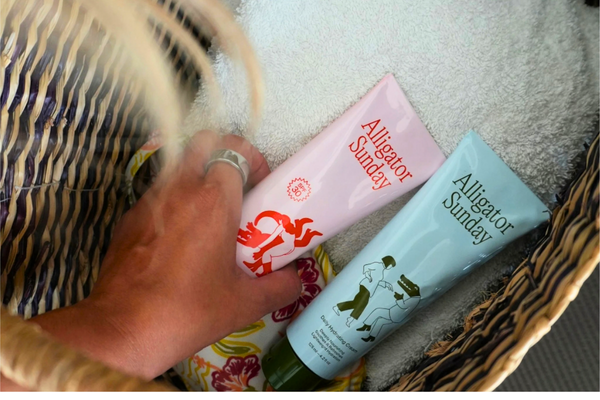


Start with your goal
Explore collagen, electrolytes, adaptogens and gut health essentials. Find the products that fit your routine.


Choose your option


Choose your option


Choose your option


Choose your option


Choose your option


Holi (radiance) Beauty From Within
Choose your option


Choose your option

Choose your option


Choose your option
Choose your option


Choose your option


Choose your option


Choose your option


Choose your option

Choose your option


Strike Nutrition Electrolyte Mix - Berry Fusion
Choose your option


Choose your option


Choose your option


Choose your option


Focus and Energy - Organic Lion's Mane and Cordyceps Militaris
Choose your option
Choose your option


Silk Pillowcase in Queen-Standard - White
Choose your option


Choose your option


Choose your option


Silk Pillowcase in Queen-Standard - Pink
Choose your option


Choose your option


Choose your option


Choose your option


Choose your option


Choose your option
Strike Nutrition Electrolyte Mix - Berry Fusion
Choose your option


Choose your option


The Hydrate Blend - Lemon & Mint
Choose your option


Choose your option


Choose your option

Choose your option
Choose your option
Choose your option
Choose your option
Choose your option
Choose your option
Choose your option

Choose your option
Choose your option
Choose your option
Choose your option
Choose your option
Choose your option
Focus and Energy - Organic Lion's Mane and Cordyceps Militaris
Choose your option

Choose your option
Choose your option
Choose your option
Choose your option
Choose your option
Choose your option


Choose your option
New in
Fresh discoveries in beauty and wellness, chosen by Powder Beauty.


Choose your option


Choose your option


Everyday Sunscreen SPF30
Choose your option


Liquid Colostrum - Vanilla Sea Salt
Choose your option


Most loved

Advanced Snail 96 Mucin Power Essence
Choose your option


Choose your option


Vitamin C + Super Greens Brightening Serum
Choose your option


Choose your option


Choose your option


RESET Acai & Manuka Honey Nourishing Cleanser
Choose your option


GOALS Multi Acids & Probiotics Perfecting Night Serum
Choose your option


Choose your option
Choose your option
Choose your option


Choose your option


Choose your option
Choose your option
Choose your option


Choose your option


Choose your option


Choose your option

Choose your option

Choose your option

Choose your option
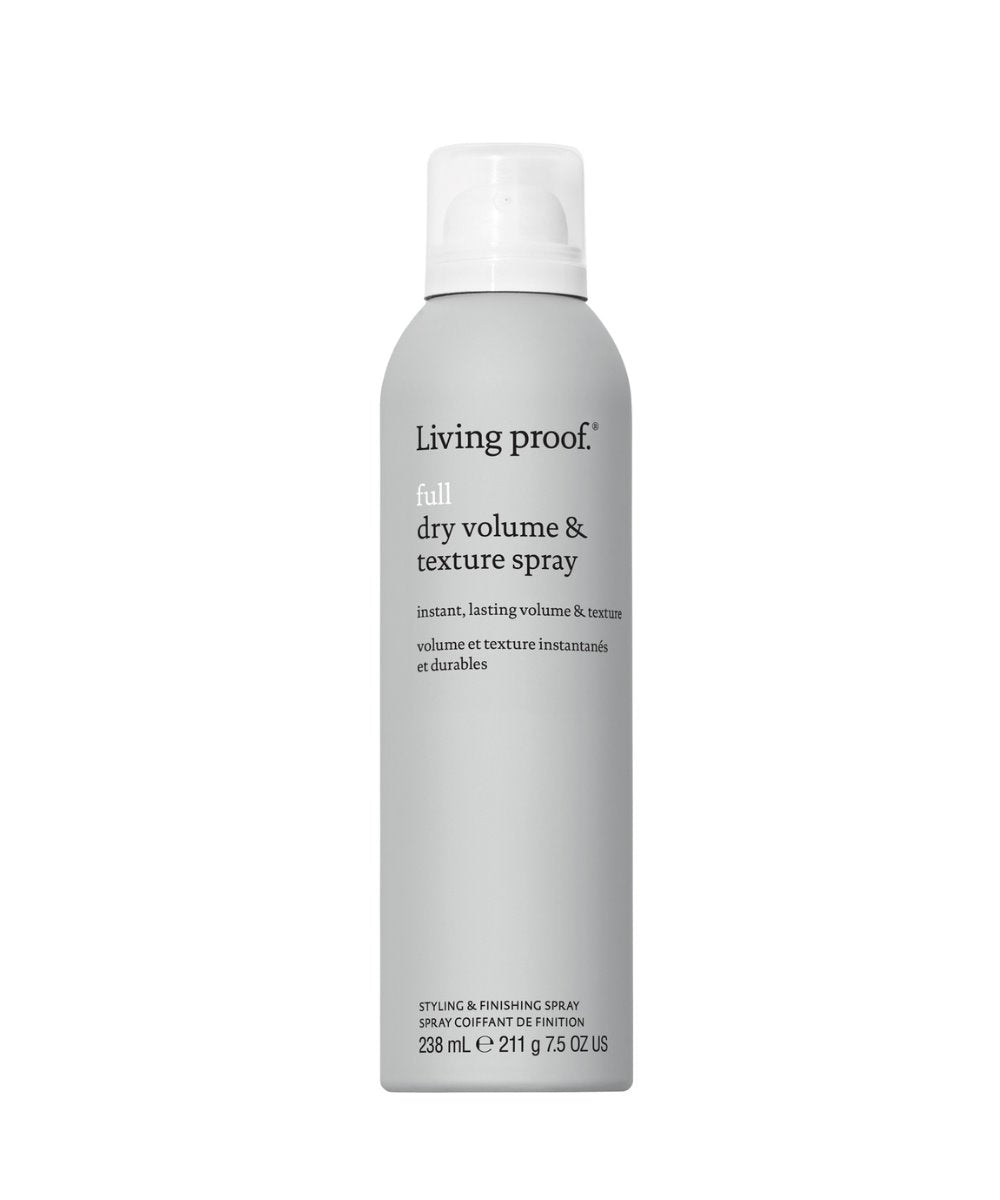

Full Dry Volume & Texture Spray
Choose your option


K18 Leave-in Molecular Repair Hair Mask
Choose your option


Choose your option


Choose your option


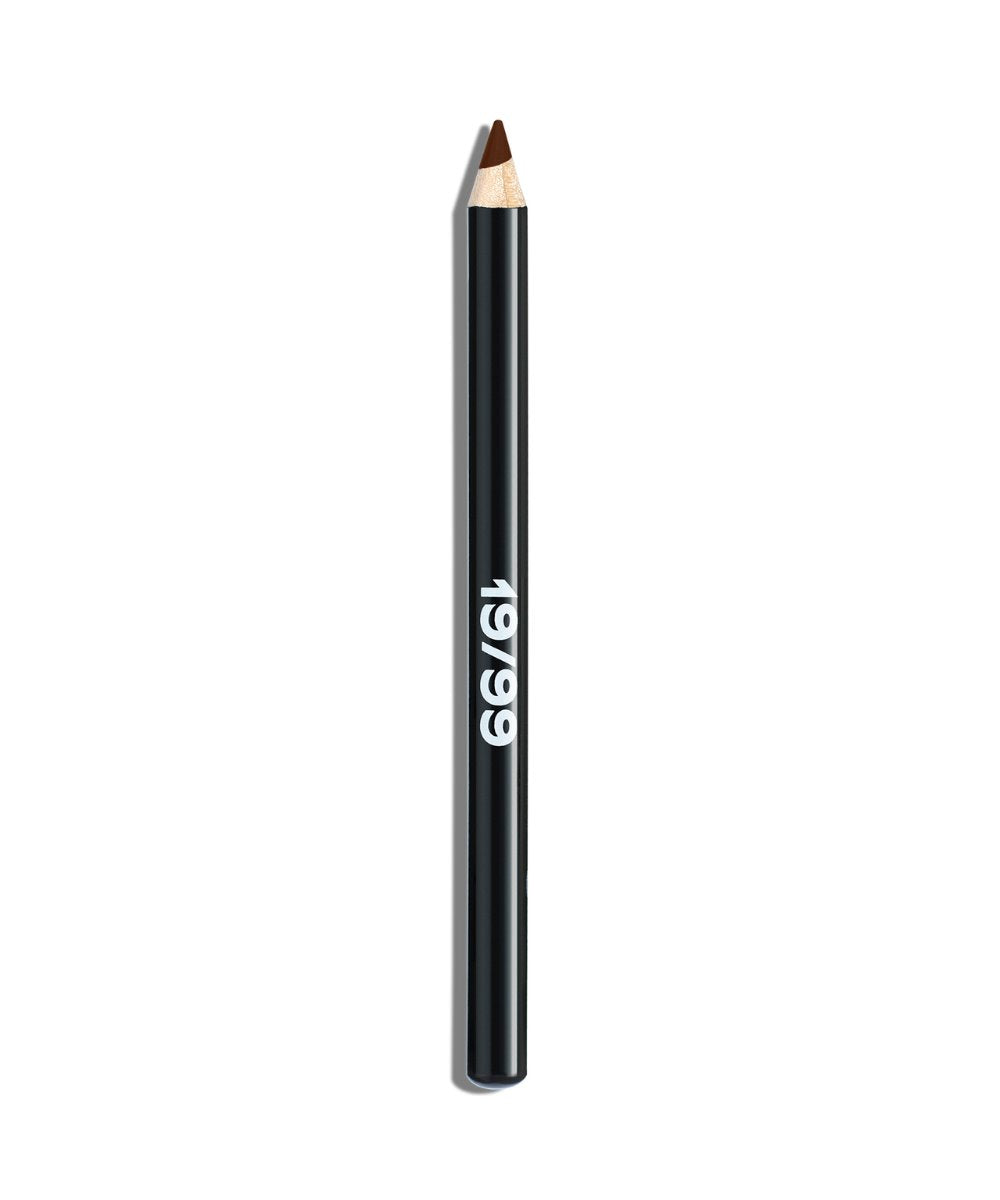
Precision Colour Pencil



Choose your option


Choose your option


Lash Tint Mascara


Choose your option


Coco Crayon


Choose your option


Oat Milk Foundation


Choose your option


The Tinted Lip Balm X Sofia Coppola


Choose your option


Choose your option


Plant based Natural Body Wash - Nº Green
Choose your option


Plant based Deodorant - Nº Green
Choose your option


Choose your option


Choose your option


Côte d'Azur Restorative Body Crème - 300ml
Choose your option


Choose your option


Choose your option
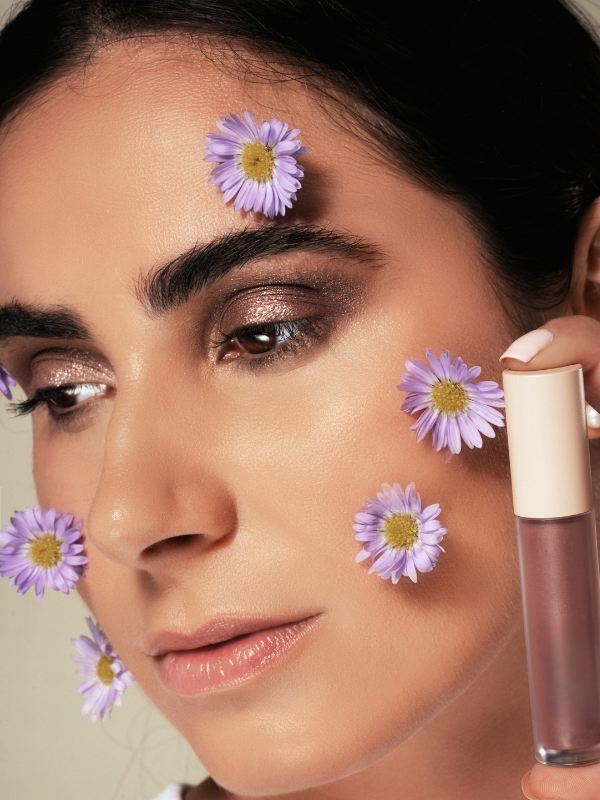
Insanely good beauty.
You deserve better than endless beauty hype and products that disappoint. Powder Beauty carefully selects standout beauty and wellness products from around the world, so you can discover what’s worth buying and look and feel your best.

Fatimah Bashai
@flying.fatma
“Life meets you at your level of audacity.”
A new conversation every few weeks with the women shaping how the Gulf sees beauty, and the products they actually reach for.
Beauty, explained

Choosing the right SPF for your skin: Mineral vs Chemical
When it comes to sun protection, the debate between mineral and chemical sunscreens is ongoing. Each type has its unique features and benefits, and understanding these can help you make an informed decision about which sunscreen is right for you. Whether you're preparing for a beach day or just running daily errands, choosing the right sunscreen is crucial for protecting your skin and enjoying the sun safely. What is mineral sunscreen? Mineral sunscreens, also known as physical sunscreens, use natural minerals such as zinc oxide or titanium dioxide as the main active ingredients. These minerals act as physical blockers that sit on top of the skin and deflect damaging UV rays away. Pros of mineral sunscreen: Immediate protection: Mineral sunscreens offer protection as soon as they are applied. There's no need to wait before heading outdoors. Sensitive skin friendly: Because they are not absorbed into the skin, mineral sunscreens are less likely to cause irritation, making them ideal for sensitive or acne-prone skin types. Reef safe: Most mineral sunscreens are safer for marine ecosystems, as they are less likely to contain ingredients that contribute to coral bleaching. Cons of Mineral Sunscreen: Thicker consistency: They can be thicker and might require more effort to rub in. Frequent reapplication: Because they sit on the surface of the skin, mineral sunscreens can be rubbed off more easily and generally require more frequent reapplication, especially after sweating, swimming, or towel drying. What is chemical sunscreen? Chemical sunscreens use organic (carbon-based) compounds, such as avobenzone, octinoxate, or oxybenzone, which create a chemical reaction and work by absorbing UV light. As the sunscreen absorbs the rays, it converts them into heat, which is then released from the skin. Pros of chemical sunscreen: Lighter formulas: Chemical sunscreens tend to be thinner and can spread more easily on the skin, making them less visible once applied. Longer lasting: If properly applied, they can offer longer-lasting protection in situations where direct physical removal (like toweling off) is less likely. Broad spectrum protection: Many chemical sunscreens can efficiently protect against both UVA and UVB rays, offering comprehensive sun protection. Cons of chemical sunscreen: Waiting period: Chemical sunscreens require about 20 minutes to fully bind to the skin and start working. Potential for irritation: Some chemical ingredients can cause skin allergies and irritations, especially for sensitive skin types. Environmental concerns: Certain ingredients commonly found in chemical sunscreens have been implicated in coral reef degradation and are banned in some regions. Choosing between mineral and chemical sunscreens Your choice between mineral and chemical sunscreens should depend on your skin type, environmental concerns, and personal preference: For sensitive skin: Mineral sunscreens are generally better as they are less irritating. For water and sweat resistance: Chemical sunscreens might offer more durable protection under extreme conditions. For daily use: If you prefer a lightweight feel that’s invisible on the skin, chemical sunscreens might be more appealing. Both mineral and chemical sunscreens have their place in sun care, and the best choice depends on various factors, including skin type, activity level, and environmental impact. By understanding the differences, you can choose the most appropriate sunscreen that offers effective protection while aligning with your skincare needs and values.

Debunking common myths about eye creams
Eye creams are an integral part of a skincare routine, targeting issues from dark circles and puffiness to fine lines and wrinkles. Let’s clear up some common myths and reveal the truths you need to know about eye creams. Eye creams can eliminate dark circles completely Many believe that using eye cream can completely eradicate dark circles. However, the truth is more complex. Dark circles can be caused by genetics, pigmentation, thinning skin, and blood vessels that show through the skin. While eye creams can help to hydrate and brighten the under-eye area, making dark circles appear less noticeable, they are not a permanent cure. Ingredients like caffeine can help reduce puffiness and the appearance of dark circles by improving circulation and reducing blood pooling under the eyes. You can use regular moisturizer instead of eye cream It’s a common belief that your regular facial moisturizer can double as an eye cream. While facial moisturizers do hydrate the skin, eye creams are specifically formulated for the thinner, more delicate skin around the eyes. They often contain higher concentrations of ingredients that target specific eye concerns and are typically more gentle and non-irritating. Using a facial moisturizer around your eyes could cause irritation or not adequately address issues like puffiness and fine lines. Eye creams are only for mature skin This myth leads many younger individuals to skip adding eye cream to their skincare regimen. The reality is that the skin around the eyes is where the first signs of aging often appear due to the lack of oil glands in this area. Starting an eye cream early can provide the hydration and support needed to delay these signs of aging. Preventative care is key in skincare, making eye creams beneficial for users of all ages, not just those who have already noticed signs of aging. The more expensive the eye cream, the more effective it will be Price does not always dictate effectiveness. An expensive eye cream may feel luxurious, but it isn’t necessarily more effective than a less costly alternative. The effectiveness of an eye cream comes down to its formulation and active ingredients, not its price tag. It’s important to research and find products with proven ingredients that can deliver results, regardless of their cost. Applying more eye cream yields better results When it comes to eye cream, less is often more. Due to the sensitivity of the skin around the eyes, applying too much product can lead to irritation. A pea-sized amount is usually sufficient for both eyes. Eye creams should be dabbed on gently, without pulling or stretching the skin, to maximize absorption and effectiveness. Eye creams can be a fantastic addition to your skincare routine, offering targeted treatment to the delicate eye area. By understanding the truths behind common myths, you can make informed choices about using eye creams effectively. Remember, the key to seeing results with any skincare product is consistency and choosing products tailored to your specific needs.

AHA, BHA, PHAs: What's the deal with these acids?
In the ever-evolving world of skincare, hydroxy acids such as AHAs, BHAs, and PHAs have gained prominence for their transformative effects on the skin. Whether you're battling breakouts, wrinkles, or dull skin, these powerhouse ingredients can make a significant difference. But what exactly are these acids, and how do they work? Let’s break down the science behind each to help you understand which might be best for your skin. AHA (Alpha Hydroxy Acids) Alpha Hydroxy Acids are water-soluble acids made from sugary fruits. They help peel away the surface of your skin so that new, more evenly pigmented skin cells may generate and take their place. After use, skin feels smoother and looks refreshed. Common types of AHAs include: Glycolic Acid: Derived from sugar cane, glycolic acid is the smallest AHA, allowing it to penetrate the skin deeply and easily. It's effective for treating fine lines, acne, blackheads, dullness, and oiliness. Lactic Acid: Sourced from lactose in milk, lactic acid is gentler than glycolic acid and helps improve the skin's natural moisture factor. Benefits of AHAs: Promote collagen and blood flow. Improve the appearance of surface wrinkles and fine lines. Prevent acne breakouts. Brighten the skin tone. Increase product absorption. BHA (Beta Hydroxy Acid) BHAs are oil-soluble, which allows them to penetrate deeper into the pores to remove dead skin cells and excess sebum. The most common BHA is salicylic acid, often used to treat breakouts and sun damage. Benefits of BHA: Deeply cleanses and exfoliates pores from the inside out. Has anti-inflammatory and antibacterial properties. Ideal for managing blackheads and whiteheads. Effective treatment for rosacea, in addition to acne. PHA (Polyhydroxy Acids) PHAs are considered "cousins" of AHAs but are larger in molecular size, which means they penetrate the skin more slowly, reducing the chance of irritation. Common PHAs include gluconolactone and lactobionic acid. Benefits of PHAs: Gentle on the skin, suitable for sensitive skin types. Provide antioxidant benefits. Strengthen the skin barrier. Lock in moisture, offering anti-aging benefits. Which acid should you choose for your face scrubs? Skin type: AHAs are great for dry skin due to their water-attracting properties, while BHAs are better for oily, acne-prone skin because of their ability to penetrate deeper into the pores. PHAs are excellent for sensitive or mature skin types due to their gentle nature. Product formulation: These acids can be found in various skincare products, from cleansers and toners to serums and scrubs. The key is gradual integration into your skincare regimen. Sun sensitivity: AHAs and BHAs increase sun sensitivity. Always apply a broad-spectrum sunscreen when using these products. AHAs, BHAs, and PHAs offer diverse benefits and can be game-changers in skincare routines. By understanding what each acid does best, you can tailor your approach to match your skin’s needs and reveal a healthier, more radiant complexion. Whether you’re refining texture, combating breakouts, or boosting hydration, these powerful acids have a solution for almost every skin concern.